Entre em contato com Cenwan Machine Company


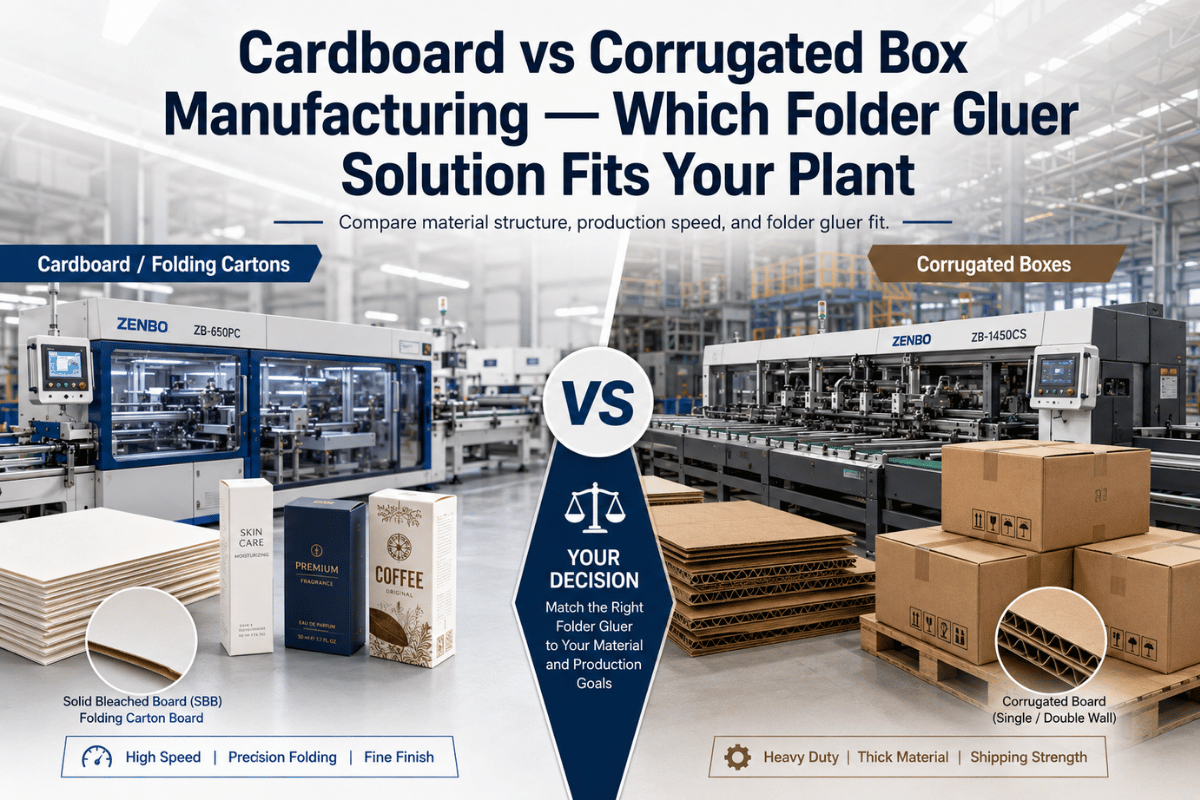
Papelão vs. ondulado é indiscutivelmente uma das comparações mais usadas incorretamente na embalagem, e custa o piso de produção As pessoas jogam os dois termos em torno de forma intercambiável, mas papelão e ondulado não são os mesmos Eles não são fabricados da mesma maneira e, a maioria dos guias esquecem isso, eles geralmente exigem um colador de pasta diferente Entendendo as diferenças importa no chão, porque a diferença entre papelão ondulado e papelão, e a diferença entre caixas de papelão e expedidores mais pesados, decide qual máquina executa o trabalho Este artigo detalha esses materiais, explica sua produção e alinha essas decisões materiais para a maquinaria certa.
Visão geral de papelão vs papelão ondulado
| Estrutura | Cartão: uma camada sólida de cartão grosso Corrugado: um meio canelado imprensado entre dois revestimentos (3+ camadas). |
| Pinça típica | Papelão ~0.30.80.8 (0.0.20.00); ondulado de parede única ~30 mm dependendo da flauta. |
| Base força | Cartão: rigidez plana para a exposição Corrugado: empilhamento e força do esmagamento (por exemplo, 32 ECT único-parede). |
| Melhor uso | Cartão: caixas de cereais, caixas cosméticas, inserções Corrugado: caixas de transporte, e-commerce, itens pesados ou frágeis. |
| Reciclabilidade | Ambos recicláveis; caixas de papelão ondulado recicladas a 96,5% nos EUA (EPA, 2018). |
| Máquina típica | Caixas de papelão: cola de pastas em linha reta. Caixas onduladas: flexo / colador pasta ondulada. |
Papelão vs papelão ondulado: o que cada material realmente é

Simplificando, o papelão é um único pedaço de papelão grosso ou folha de celulose; enquanto o papelão ondulado (adequadamente conhecido como papelão ondulado) é um conjunto projetado. Embora conversas casuais e postagens comunitárias confundam essas linhas, nos círculos de embalagem elas são distintamente diferentes e cumprem responsabilidades distintas. Normalmente, um leigo que se refere ao ‘papelão’ significa, na verdade, papelão grosso, uma única camada de materiais para fabricação de papel; sua caixa de cereal favorita vem à mente.
A construção do cartão ondulado é a sua distinção; uma única folha de PaperBoard não pode desempenhar esse papel O núcleo ondulado e ondulado do cartão de fibra cria bolsas de ar que fazem o trabalho pesado quando você embala mercadorias frágeis ou pesadas Agindo como colunas minúsculas, esta construção única oferece incrível integridade estrutural; essencial tanto para a proteção física durante o transporte, quanto para o suporte para várias camadas de caixa em um ambiente de varejo empilhado Este projeto contribui para sua impressionante força de esmagamento e empilhamento Ao contrário do cartão, sua construção faz muito mais para proteger os itens, impedindo-os de quebrar com o impacto ou pressão excessiva Em termos práticos, que o amortecimento de embalagens embutido atua como um amortecedor para eletrônicos e outras mercadorias delicadas, segurando o transporte de carga, a logística do armazém e o empurrão dentro de um contêiner de transporte compartilhado.
️ Importante
Então, se um comprador afirma que precisa de uma caixa de “cardboard” para enviar um pacote avaliado acima de 15 kg, eles exigem papelão ondulado! fóruns comunitários são muitas vezes abuzz com histórias de papelão indevidamente-usado falhando durante o trânsito, deixando os consumidores com pedidos danificados Selecionar o material certo na embalagem não é um ponto de pretensão, é um passo crítico na garantia de qualidade e funcionalidade de embalagem.
Qual é a linha inferior da próxima vez que você estiver determinando suas necessidades de embalagem, nunca peça uma caixa de papelão sempre questione-a Em vez disso pergunte; “A caixa precisa suportar itens sendo enviados e manuseados, ou será simplesmente colocada em uma prateleira de varejo?” A resposta irá guiá-lo em direção ao material de placa apropriado, à nota correta e, posteriormente, ao maquinário certo para dobrar e colar, ajudando, em última análise, a evitar gargalos operacionais em sua fábrica!
Uma comparação lado a lado dos dois materiais
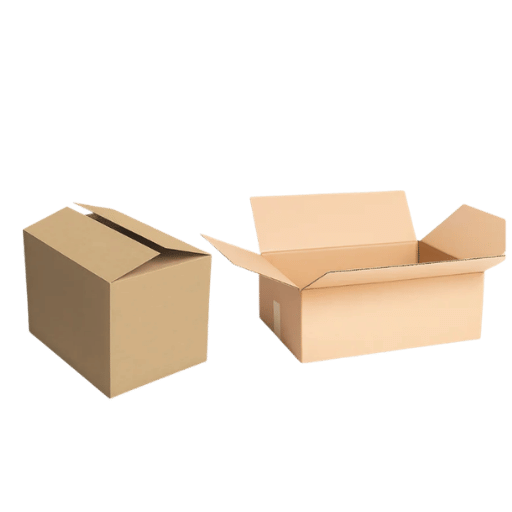
O papelão ondulado e o papelão são ambos compostos de Papel e são muito leves quando comparados a produtos de plástico ou metal Ambos são considerados sustentáveis pelos padrões eco-conscientes de hoje e podem ser impressos com as mais avançadas tecnologias de impressão Porque cada um começa a partir de pasta de papel renovável, eles são amplamente considerados como ambientalmente amigáveis e suportam a biodegradação no final da vida útil, e o grau certo também ajuda a preservar a vida útil do produto no caminho para a loja No entanto, há uma distinção perceptível e muito importante entre como o processo ondulado e o processo de produção de papelão difere, no que diz respeito não apenas à estrutura, mas também às propriedades protetoras. Veja como essas características específicas se comparam umas contra as outras abaixo, A fim de diferenciar adequadamente entre papelão vs. embalagem ondulada, tudo se resume à estrutura, ao que eles podem suportar e aos tipos de produtos que foram feitos para segurar e enviar. Em termos mais simples, para distinguir entre papelão e uma caixa de transporte típica, pense em uma camada espessa; entre papelão e uma folha plana típica, pense no núcleo ondulado.
| Dimensão | Cartão (papelão) | Fibra ondulada |
|---|---|---|
| Camadas | 1 camada sólida | 3 (parede única), 5 (parede dupla), 7 (parede tripla) |
| Pinça | ~0.30,8 mm | ~3 mm (swall), 6 mm (double-wall) |
| Proteção | Mínimo; muitas vezes precisa de plástico bolha ou preenchimento vazio | Amortecimento incorporado do meio canelado |
| Qualidade de impressão | Excelente (superfície lisa, offset/litho) | Bom (flexo direto ou litolaminado para varejo) |
| Custo por unidade | Menor custo do material | Maior material e mais envolvido |
| Melhor ajuste | Caixas de varejo, displays, inserções, itens de luz frágil | Envio, comércio eletrônico, empilhamento, itens pesados e frágeis |
Vantagens onduladas
- Empilhamento e força de esmagamento para trânsito
- Amortecedores de almofadas, oscilações de umidade e manuseio brusco
- Balanças de parede simples a tripla para cargas pesadas
– Limitações onduladas
- Maior custo de material e conversão
- Mais volumoso para armazenar plano do que papelão
- O acabamento de impressão direta segue uma caixa dobrável suave
Dentro ondulado: flautas, paredes e notas de tabuleiro
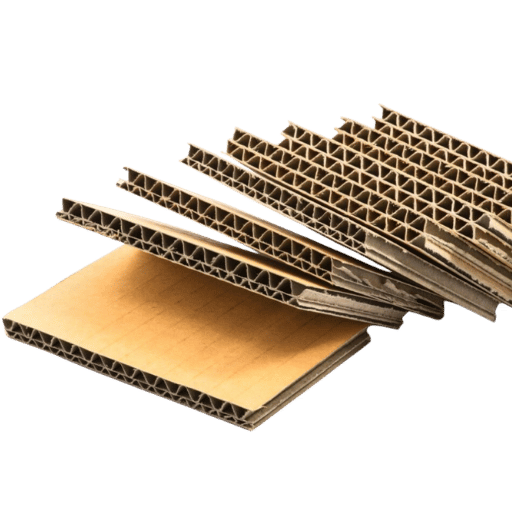
Ao comparar embalagens de papelão e papelão ondulado, pense na contribuição da flauta tanto para a estrutura quanto para a embalagem Este elemento estriado que fica entre os papéis de revestimento dá ao papelão ondulado grande parte de sua resistência e suas capacidades de suporte de carga A espessura e a compressão da placa são influenciadas significativamente pelo tamanho da flauta; sua seleção de flauta impacta amplamente o processo de embalagem, além da integridade estrutural que o material proporcionará à embalagem! a escolha da flauta está no centro do design da caixa ondulada, moldando tudo, desde a qualidade de impressão até a resistência do empilhamento.
| Flauta | Aprox. paquímetro | Uso típico |
|---|---|---|
| A | ~4,7 mm (3/16″) | Máximo amortecimento e empilhamento; mercadorias frágeis ou pesadas |
| C | ~3.64,0 mm (11/64″) | A flauta de transporte mais comum; boa caixa completa |
| B | ~2.53,2 mm (1/8″) | Resistência ao esmagamento para produtos enlatados; melhor impressão de superfície plana |
| E | ~1,5 mm (1/16″) | Caixas de varejo finas e litolaminadas; aparência de caixa quase dobrável |
| F | ~0.8.0 mm (1/32″) | Pequenas embalagens cosméticas e de varejo de alta qualidade |
| BC/EB | ~6 mm | Dupla-parede duas flautas combinadas para exportação e cargas pesadas |
Uma diferença de 0,5 mm é bastante normal no paquímetro de flauta entre conversores (tome as figuras acima com um sal de grão (são apenas estimativas de trabalho); as metas padrão do paquímetro da indústria são mantidas pela Associação de Caixa de Fibra Duas maneiras de avaliar a resistência: Edge Crush Test (ECT), que lhe dirá quanto será empilhado sem esmagamento, e Mullen Burst, uma medida mais antiga de resistência à perfuração A placa de caixa de serviço geral típica é de parede única C-flute a 32ECT (aprox 2001TP5 T Mullen).
Uma caixa de pizza é papelão ondulado?
Sim & provável assim. Uma caixa de pizza take-out é papelão ondulado, não plana, a menos que você está comprando a partir de final de baixo orçamento e é um todo-papel ‘bandeja’. ondulado adiciona volume tanto para a altura da pilha e alguma resistência térmica/vapor também Confirme isso olhando para a borda cortada da própria placa O ondulado parece três camadas de material (revestimento externo, médio, forro interno) e você vê que a camada ondulada Flatboard só tem duas camadas.
Nota de Engenharia
32 ECT C-flauta seria seu primeiro pensamento para uma caixa de comércio eletrônico de parede única que deve correr sob 30 libras brutas Você precisará BC double-wall ao enviar qualquer coisa em excesso disso, ou você planeja empilhar as caixas mais de dois altos em sua estrutura de palete de transporte Se encomendar caixas personalizadas, seja específico e exija testes de seu material recebido de acordo com TAPPI T811; suas especificações de caixa devem listar “32ECT” não “heavy duty”.
Como cada caixa é fabricada: da folha à caixa acabada
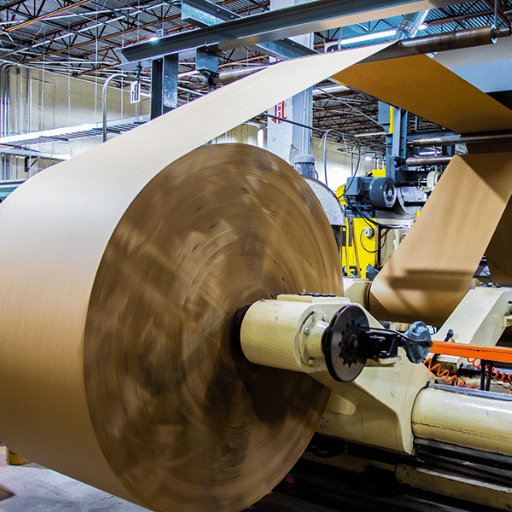
Vou expandir algumas coisas que você frequentemente encontrará faltando nos guias do tipo “corrugated vs cardboard” Entendendo que existem diferentes rotas de fabricação tomadas para cada estoque de placa, temos uma noção melhor de por que um é mais barato, e como os dois materiais passam a ser processados em linhas totalmente diferentes antes de atingirem o último passo crítico onde convergem novamente (o processo de dobra e cola).
Rota da caixa dobrável (papelão):
- O papelão chega como folhas ou bobinas de estoque de camada única.
- A impressão offset ou litográfica estabelece gráficos de alta resolução.
- O layout do seu dado é feito Seu estoque plano é cortado e vincado em um movimento para criar sua rede (ou caixa em branco achatada).
- Sua caixa dobrada & colada sai então da máquina Sua coladora dobrável de caixa típica pode executar muitos estilos de embalagem, mas os mais simples estão executando uma coladora de pasta de linha reta.
Rota ondulada:
- Seu corrugador usa pasta de amido para laminar o forro externo, o forro médio e interno junto com o calor e a pressão criando a placa de chapa.
- As folhas de lençol resultantes são então marcadas, giradas 90 graus e cortadas em suas peças achatadas.
- A impressão flexográfica e o corte e vinco adicionam gráficos e formato.
- Sua caixa dobrada & colada sai então da máquina Aqui outra vez, seu equipamento da dobra & da colagem da caixa corre muitos tipos diferentes, contudo seu colador da pasta de ondulação é orientado para a placa de folha, muitos em uma combinação do colador do estilo da pasta do flexo e de ondulação.
Esta etapa adicional de fabricação, a fabricação de placas de chapa no corrugador, contribui para que o corrugado tenha um fator de custo mais alto do que uma única caixa dobrada de placa de dimensões semelhantes Qual é a grande conclusão de tudo isso? Não importa os materiais usados para criar um design de embalagem plana, a conversão de material plano em uma caixa acabada ocorre na fase de dobramento e colagem. Este processo é a preocupação de rendimento #1 na fábrica de embalagens, mesmo que muitos gerentes de fábrica se preocupem principalmente com os aspectos de impressão e corte e vinco.
‘As pessoas passam mais tempo com o corte e a impressão da matriz Se ela sair da estação de impressão e da linha da matriz, ela entra em uma caixa e não causa atolamento, a menos que o fabricante de caixas coloque mal a coladora’ ‘Se eles não fizerem a coisa certa com ela ali, ela fica presa lá’, observou Dave Loez-Santi. ‘Vai atolar toda aquela máquina; uma coladora bem afinada, você pode praticamente alimentar um sortimento confuso e ele os fará passar.
Onde o Gluer da pasta se encaixa e por que o material muda a máquina
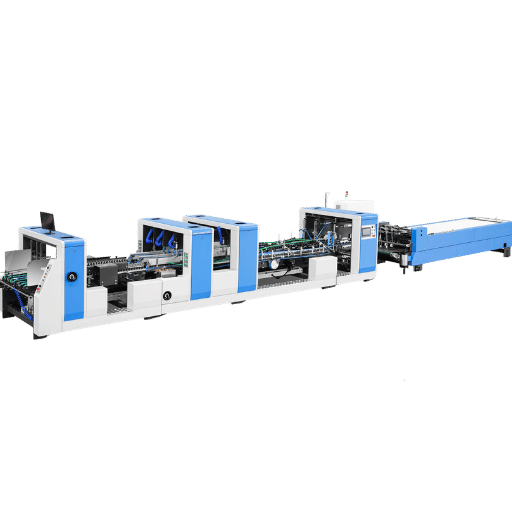
O colador de pastas é a máquina que transforma aquela folha plana que você projetou em uma caixa-colada acabada, pronta para ser preenchida Parece simples, mas a realidade do material grosso e multicamadas muda a física básica do que é preciso para dobrar, vincar e selar um pacote É por isso que as plantas que executam ambos os tipos raramente usam uma única peça de equipamento, mesmo para a caixa mais básica O material, mais do que qualquer outra coisa, determina qual máquina você usa para fazer a caixa.
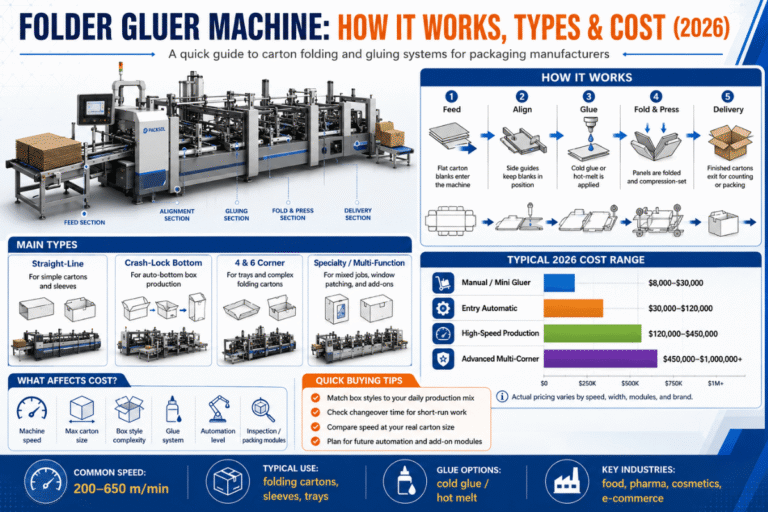
Os coladores de pasta de linha reta abordam caixas de pasta simples de costura reta, caixas de slot simples regulares e altas. À medida que o estilo de caixa fica complexo, você passa para colador de pasta inferior com trava de colisão ou a Coladora de pastas de 4 e 6 cantos para mailers de fundo de bloqueio e monitores de vários painéis Quando se considera apenas ondulado, um colador de pasta ondulada é construído com placa grossa e esmagável em mente.
Mas por que o material é tão importante? 3 razões. 1. pinça: A mesma caixa de 0,5 mm que cola finamente em uma máquina simples de linha reta esmagará ondulações e enfraquecerá o desempenho se colocada cegamente em uma placa de flauta C de 4 mm em qualquer cola. 2. cola: Os adesivos de amido/PVA de alta cobertura para unir uma superfície ondulada diferem muito das colas de contas finas usadas para aplicação limpa e precisa em substratos de caixas dobráveis revestidas. 3. Velocidade e registro: O estoque de caixas finas e leves pode facilmente obter registro enquanto funciona rápido, enquanto a placa mais pesada precisa de estabilização para uma velocidade mais consistente (embora mais lenta).
Qual é a diferença entre uma caixa dobrável e uma caixa ondulada?
Uma caixa dobrável usa cosmético de camada única, caixas de suplementos de varejo dobradas e coladas com precisão precisa em linha reta para exibição direta do consumidor A caixa ondulada depende de meio canelado, estruturalmente reforçado por placa de revestimento e construído para resiliência no ambiente de transporte e empilhamento; isso geralmente significa correr em uma coladora de pasta ondulada ou uma coladora de pasta flexográfica. Embora os termos às vezes sejam confundidos em conversas casuais, eles representam aplicações de embalagem distintas com especificações totalmente diferentes para seus materiais, máquinas, colas e parâmetros de velocidade de desempenho. O produto enviado aos consumidores prefere uma caixa ondulada para sua durabilidade.
Nossa experiência coletiva operando máquinas coladoras pasta em mais de 4 indica que as lojas que processam ambos os tipos de placa se beneficiam mais de “one-c produto mudança de formato ” verdadeiramente 0 países como encontramos custos reais em operações de placa mista muitas vezes residem não dentro de operações de execução, mas no extenso tempo necessário para mudar sobre a produção de um produto executado para o próximo An colador automático da pasta a oferta de um ajustamento simplificado e rápido do formato pode reduzir significativamente o fardo da reciclagem constante dos operadores seniores responsáveis por tais mudanças.
Correspondência do estilo da caixa ao material e à máquina: o material, teste de ajuste da máquina
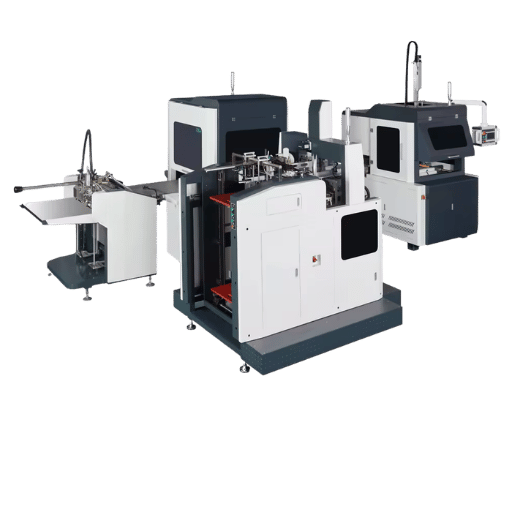
Em vez de ter que comprometer especificações com a memória, considere simplesmente responder a 3 perguntas, o que o guiará para a configuração ideal Chame isso de Teste de ajuste de material-máquina. (1) A embalagem deve servir para enviar ou será vendida diretamente para exibição no varejo? (2) Que tipo de caixa você pretende criar? é um produto simples de costura direta, ou uma estrutura de fundo de bloqueio mais complexa ou até mesmo um design de vários cantos? (3) Qual é o seu volume de produção e sua complexidade e frequência de pedidos? com os que estão em mãos, a escolha de materiais e máquinas de equipamentos apropriadas fica clara, graças ao emparelhamento abaixo.
| Cenário | Material | Ajuste da coladora da pasta |
|---|---|---|
| Caixa cosmética de varejo, impressão premium | Papelão (ou flauta E/F) | Coladora de pastas em linha reta |
| Expedidor do comércio eletrônico, peso médio | C-flauta parede única ondulada | Coladora de pasta ondulada/flexo |
| Carta-malas com fundo de fechadura ou caixa para viagem | B/E-flauta ondulada | Color de pasta inferior Crash-lock |
| Display multipainel ou bandeja de seis cantos | Corrugado | Coladora de pastas de 4 e 6 cantos |
| Caixa pesada da exportação, paletes empilhadas | Corrugado de parede dupla (BC) | Coladora de pastas de alta velocidade + travamento |
| Presente rígido/caixa especial 3D | Placa mista | Coladora de pastas de caixa estéreo |
Pegue uma marca de calçados que trocou sua caixa de sapatos de papelão por E-flauta ondulada para atendimento direto ao consumidor Sua caixa de varejo anterior parecia inchada em uma prateleira, mas apareceu em seu destino, amassada pelo manuseio brusco durante o trânsito Ao mudar para E-flauta, eles alcançaram a mesma grande qualidade de impressão mais a fortaleza física necessária (fortitude física) e encaminharam o trabalho para sua coladora ondulada, não para a coladora de papelão Em seguida, eles aumentaram a aposta com embalagens onduladas personalizadas, adicionando cortes e marcas, o que empurrou o trabalho para máquinas prontas para manter o registro sobre dobras desafiadoras, um problema familiar em toda a indústria de embalagens à medida que a embalagem do produto migra para a personalização Se você não decidir onde seu estilo de caixa favorito cai, nosso matriz de compatibilidade estilo caixa mapeia caixas comuns em máquinas adequadas.
Custo, Força e Sustentabilidade: Escolhendo o Material Certo
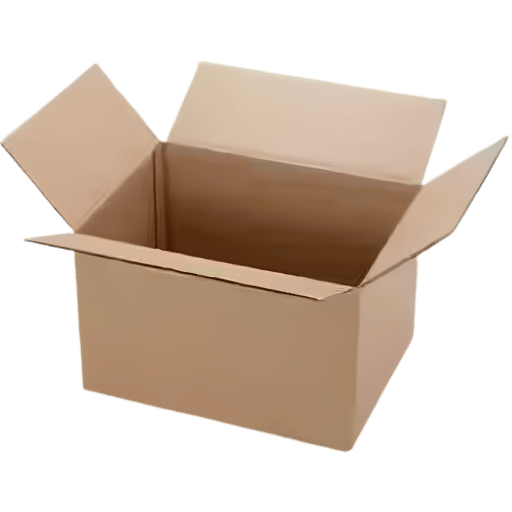
Agora que a máquina e a estrutura são resolvidas, restam apenas três alavancas para jogar (custo, resistência e sustentabilidade).Cada um favorecendo materiais diferentes, nenhum universalmente melhor que os outros. O material correto do pacote será determinado pela interação desses três combinados com seu produto e sua operação de envio.
Custo Custo de embalagem por unidade por outro lado O papelão é mais barato devido a um design de camada única que ignora a necessidade de passar pelo corrugador O corrugado é inerentemente mais caro de produzir, e esses custos aumentam assim que você inicia cortes personalizados, tamanhos grandes e volumes pequenos O baixo preço unitário é falso no entanto, se os danos na embalagem devido à falha no transporte correto levarem a danos no produto, substituição e reembolsos do cliente que podem superar em muito os poucos centavos que você pode economizar na própria caixa Torna-se uma imagem de custo total considerando o envio e a experiência do cliente ao visualizar a embalagem à luz do envio e manuseio.
Resistência A este respeito, o custo de material mais alto é justificado. o meio canelado adiciona resistência adicional e capacidade de empilhamento e amortecimento para conteúdos onde o papelão irá falhar. Itens frágeis ou itens que carregarão uma grande quantidade de peso vão para uma caixa ondulada. O papelão depende da rigidez para oferecer apresentação, não proteção.
96.5%
Taxa de reciclagem de caixas de papelão ondulado, EUA 2018 (EPA)
69–74%
Cartão recuperado/reciclado, 2024 (AF & PA, novo método)
Sustentabilidade Muitos Compradores foram enganados com as manchetes relativas a este assunto, e enquanto na realidade a embalagem pode ter sofrido apenas mensuravelmente; como o Corrugado tem sido um dos melhores materiais reciclados nos EUA-um 96.51TP3 T reciclado em 2018 de acordo com a EPA para caixas de papelão ondulado-em 2023 a American Forest & Paper Association alterou seu modelo de cálculo Seu ajuste de metodologia levou a uma taxa de recuperação de material de 69%-74% para 2024 a partir de papelão e um 93.61TP3 T do modelo de medição ‘tradicional’ em 2022 que o teria colocado em um número comparável.
Essas mudanças não significam um colapso na reciclagem, pois as metodologias de medição mudaram, em vez do estado físico do material. Ambos são o material mais reciclado.
Guia de decisão rápida
- os navios, potencialmente de manuseamento grosseiro, podem ser empilhados (produtos de peso pesado).Flauta C ou mais pesada.
- Enviado via prateleira de varejo produtos leves. E-flauta ou papelão mais pesado, impresso.
- Olhar premium, em seguida, enviado (proteção do produto) E-fluterugado com gráficos premium.
- Pesado ou exportação, paletes multi-pilha → corrugado de parede dupla.
Erros comuns ao escolher entre papelão e papelão ondulado
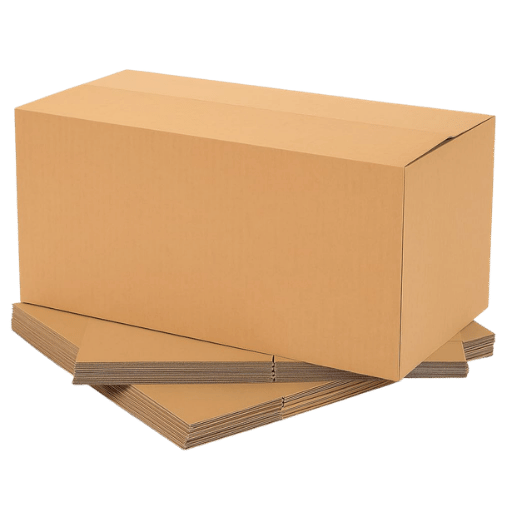
Estamos vendo repetidamente erros cometidos no lado da compra, bem como na extremidade produtora, que geralmente podem ser atribuídos ao agrupamento de papelão e papelão ondulado em um único tipo de embalagem.
- ✔
Envio em cartão. Usando uma caixa de grau de exibição para pedidos pesados ou de trânsito As comunidades de embalagem estão cheias de reclamações de parcelas esmagadas que começam aqui. - ✔
Sub-speccionando a flauta. Escolhendo E-flauta para seus olhares quando a carga precisa C - ou parede dupla, em seguida, culpando o correio por danos. - ✔
Executando a máquina errada para o material. Forçar ondulado grosso através de uma coladora ajustada em papelão esmaga flautas; correr em placa fina em uma configuração ondulada desperdiça velocidade e registro. - ✔
Ignorando o tempo de mudança. Comprar para velocidade máxima enquanto uma loja de pedidos mistos sangra horas na configuração manual entre os trabalhos.
Perspectivas da indústria: automação, dimensionamento correto e o que está mudando em 2026

A fabricação de caixas não fica parada, e há alguns turnos que valem a pena considerar ao desenvolver os planos do próximo ano para o equipamento da sua fábrica.
O comércio eletrônico nunca vai parar de mudar o que é necessário Com o aumento contínuo do comércio eletrônico, você pode ter certeza de que o volume continua a oscilar em direção a tamanhos apropriados para o corrugado de flauta E mais fino de tamanho certo, fibra e redução de frete; e dados ano a ano indicam que a demanda por instalações de fabricação de caixas de papelão ondulado tende a saltar mês a mês, um sinal de que linhas flexíveis podem fornecer maiores vantagens.
O tópico quente aqui: automação Se isso facilitar a configuração (como dispositivos automáticos de troca rápida de matrizes, cola de dobra de impressão em linha direta para caixa para coladores de pastas flexográficos) e economizar mão de obra na parte traseira (como sistemas automáticos de embalagem de caixas), suponha que ele fará a transição da aresta de corte para um requisito padrão Em um ambiente misto de papelão e caixa ondulada, esse foco estará na redução do tempo de configuração (especialmente quando você leva em consideração um alto número de execuções curtas) em vez de velocidades máximas máximas.
A comunicação do desempenho em matéria de sustentabilidade será objeto de escrutínio As alterações efetuadas à metodologia de reciclagem da AF & PA para 2023 e 2024 indicam que se trata de um movimento mais amplo para além dos volumes de reciclagem, com uma precisão comparável com a utilização consistente dos conteúdos recuperados e dos requisitos dos retalhistas para embalagens com dimensões corretas.
💡 Ação para 2026
Verifique seus pedidos revisando por um mês a variação do tamanho do seu pedido e a velocidade com que você muda nas configurações da máquina. Quando você tiver muitas pequenas tiragens, favoreça um formato em rápida mudança (com capacidade de material de duelo) em vez de uma velocidade máxima mais alta para gluers de pasta na planta real, o que provavelmente justificará o custo.
Linha inferior
Para escolher a embalagem certa, comece com o produto e a viagem, não a folha de preços As caixas de papelão se adequam às embalagens leves de produtos de varejo; o papelão ondulado ganha seu sustento quando os custos de envio e as taxas de danos estão na linha Combine a embalagem certa com a caixa e, em seguida, combine a caixa com a coladora de pastas que a executa de forma limpa Coloque essas duas decisões alinhadas e suas soluções de embalagem parem de lutar contra seu cronograma de produção.
Qual colador de pastas cada estilo de placa e caixa precisa?
O material é apenas o primeiro filtro A escolha final da máquina vem da combinação de estrutura da placa, tamanho do branco, sequência de dobra e pontos de cola.
| Estilo da placa e da caixa | Classe de máquina recomendada | Nota de decisão |
|---|---|---|
| Caixa de papelão em linha reta | Coladora de pastas em linha reta. | Priorize a pontuação limpa, o controle de cola e a troca rápida. |
| Caixa de bloqueio de papelão | Coladora de pasta inferior Crash-lock. | Ganchos inferiores e tempo de cola importam mais do que a velocidade principal. |
| Bandeja de papelão de canto 4/6 | Coladora de pastas de canto 4/6. | Requer dispositivos de colagem e dobragem de cantos multiponto. |
| Caixa ondulada regular ou cortada | Colador de pasta ondulada ou máquina dobrável e de colagem de caixa. | Verifique a espessura da flauta, o risco de esmagamento e a resistência à compressão. |
Revise o completo gama de máquinas de colador de pastas para papelão e o gama de coladores de pastas onduladas para aplicações onduladas.
Perguntas frequentes
Como você chama o papelão que não é ondulado?
Ver Resposta
Por exemplo, isto é útil na fabricação de caixas de cereais, certas caixas/inserções internas e caixas de produtos cosméticos e é caracterizado por uma espessa camada sólida de cartão de papel, assim como a versão reciclada de cor cinza, às vezes chamada de aglomerado.
Como saber se o papelão é ondulado?
Ver Resposta
Basta olhar para a borda da caixa cortada: você tem uma estrutura ondulada ondulada com um meio ondulado fino entre um papel de dois lados e papelão se nenhuma onda for aparente.
As caixas de papelão ondulado são mais fortes que o papelão normal?
Ver Resposta
Para obter mais respostas, remetemos você ao nosso “Corrugado ou Papelão.” Sim, um pouco, se você tiver um padrão, devido à sua rigidez e resistência à absorção de choque para manter a forma e a integridade por meio do transporte de corrugados, embora tenha um custo maior por libra, geralmente resulta em economia geral de custos depois de calcular mal as substituições de produtos enviados.
O papelão ondulado é reciclável?
Ver Resposta
Nos Estados Unidos, o papelão ondulado antigo está entre os materiais mais reciclados do país, com uma taxa da EPA que ultrapassou 96,5% em 2018 (esta taxa depende da metodologia. Embora diminua e flua).
O que custa menos, caixas de papelão ondulado ou papelão?
Ver Resposta
Dado que apenas uma camada de papelão (vs. dois) é normalmente necessária para produzir sua embalagem, seu custo naturalmente cairá por peça, especialmente quando você compara matrizes personalizadas e tiragens mais longas O papelão ondulado, embora geralmente comece mais caro por peça, na verdade acabará sendo mais barato em geral para envio se os produtos chegarem frequentemente danificados, rachados ou devolvidos porque foram enviados com menos suporte.
Uma coladora de pasta pode executar caixas de papelão e caixas de papelão ondulado?
Ver Resposta
Isso é amplamente determinado pela espessura na caixa que você produzirá; sua faixa de material especificada é baseada nos calibradores máximos necessários para os trabalhos executados em uma máquina específica, portanto, uma loja com uma ampla gama de caixas precisa de uma série de máquinas especializadas Isso exige que você consulte as especificações de um fabricante para garantir que suas faixas de caixa esperadas se alinhem No entanto, você pode obter um colador de pasta de material duplo que acomodará tanto papelão ondulado grosso quanto papel cartão, mas haverá comprometimento na espessura que é capaz de executar Em casos de uma gama mista de caixas, é típico ter tanto um colador de linha geral quanto um colador de pasta de caixa ondulada O primeiro passo é determinar quais são as dimensões mínimas e máximas da caixa para seus trabalhos, pois você precisa saber o máximo para o colador específico para esses cálculos fazer sens. Nosso seletor modelo pode ajudar a selecionar máquinas por faixa de placa.
Use esta ferramenta para especificar o formato da sua caixa e para obter velocidades e configurações ideais para esse estilo de caixa.
Solicite uma Cotação Personalizada →
Em vez disso, verifique primeiro as soluções? Use o matriz de compatibilidade estilo caixa ou veja o nosso soluções de linha integrada.
Como abordamos essa comparação
A Cenwan Machine fabrica coladores de pastas e máquinas de colagem de caixas, como caixas estéreo corrugadas, bem como caixas de papelão, para mais de 40 fábricas de embalagens em muitos países do mundo.
Este artigo é da perspectiva da máquina de papelão vs papelão ondulado matéria quando a diferença do material se torna uma questão prática e impacta as decisões sobre velocidade de alimentação, espalhamento de adesivo e tempos de troca na linha de embalagem Abaixo, as forças do material e as estatísticas de reciclagem são baseadas em recursos publicamente disponíveis pela EPA e associações industriais, devidamente citados.
Referências e fontes
- Papel e Papelão: Dados Específicos de Materiais • Agência de Proteção Ambiental
- Taxas de reciclagem de papel nos EUA em 2024 (AF&PA)
- Especificações de placa ondulada e padrões de pinça Associação de Caixas Fibre
- Reciclabilidade de papel e cartão (WP-23-03, 2023) •
- Padrões Edge Crush Test (T811) e Mullen Burst (T807) 0,00
Artigos Relacionados
- Máquinas automáticas de coladores de pastas explicam tipos, componentes e custos
- O que é uma cola de pastas em linha reta? processo e produtividade
- Guia de máquina de colador de pasta de caixa pequena, largura, cola e velocidade
- Guia do comprador da máquina de colar automática 2026
- Máquina de colagem de caixa ondulada especificações e configurações